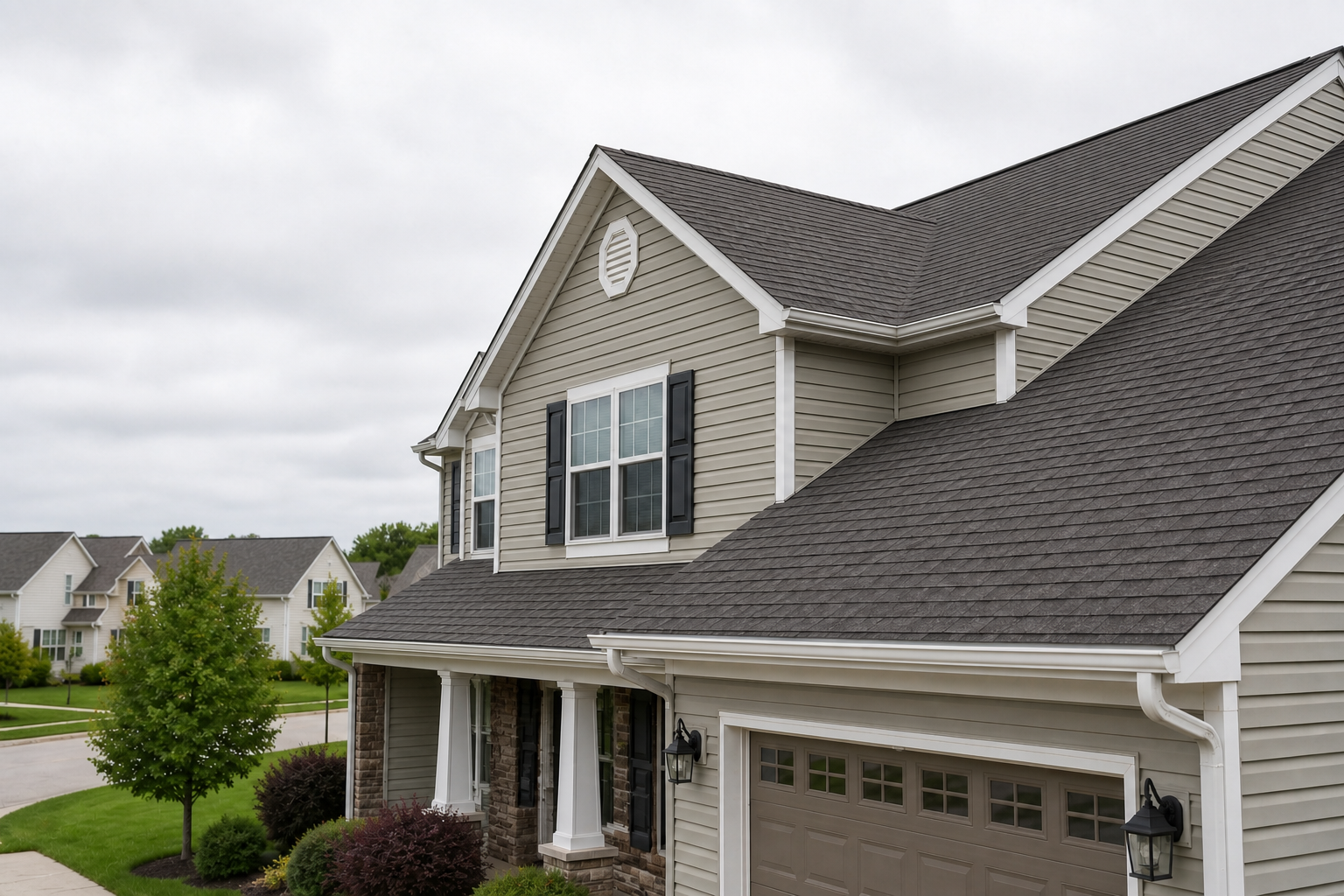
A barrier island changes the math
Houses on Wrightsville Beach face salt spray on every side, not just the ocean facing slope, because wind carries it across the island regardless of which way a roof faces. Ordinary galvanized fasteners that hold up fine a few miles inland can show rust within a handful of years out here.
Older cottages closer to the sound side often carry a couple of shingle layers from past re-roofs. Newer construction tends toward steeper pitches and more dormers, which means more flashing detail and more places for a leak to start if it was cut corners the first time.
Wind rating is not optional here
Every roof installed on the island gets six nails per shingle rather than the standard four, high wind rated starter strip, and a ridge cap built for higher gust loads. Standing seam metal gets recommended here more often than anywhere else in the service area, simply because sustained coastal wind is a year round condition rather than an occasional storm.
Fasteners and flashing near salt water
Stainless steel or hot dipped galvanized fasteners are standard on the island rather than an upgrade option, since ordinary fasteners fail here noticeably faster. Flashing at chimneys and dormers is checked closely on every inspection, because a small gap that would take years to matter inland can let in wind driven rain within a single strong storm out here.
Access and scheduling
Narrow lots and limited parking on Wrightsville Beach mean dumpster placement and material delivery get planned ahead of time, and larger jobs sometimes stage material on the mainland side and shuttle it across as the day allows.
Seasonal traffic across the drawbridge also factors into scheduling. A crew planning a delivery during a summer weekend afternoon will lose more time sitting in bridge traffic than it would take to simply start the job an hour earlier or later in the day.
What holds up and what does not
Roofs on the sound side of the island, sheltered somewhat by the mainland, tend to show slightly less wear than roofs facing straight out to the ocean, though the difference is smaller than most people expect since wind on a barrier island wraps around from every direction during a real storm.
Homes raised on pilings present their own flashing challenge where the roof meets any covered lower level or carport, and those transitions get checked as closely as the main roof plane on every inspection out here.